

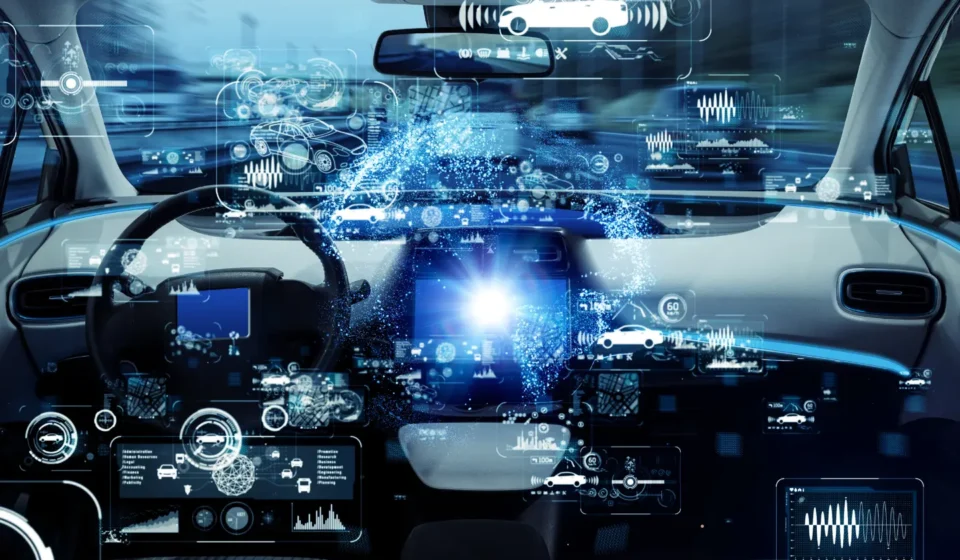

The transportation industry is undergoing one of the most significant transformations in its history. In 2026, electric vehicles (EVs) and autonomous driving technologies are no longer experimental—they are rapidly becoming mainstream.
Driven by environmental concerns, technological advancements, and changing consumer preferences, the shift toward smart mobility is reshaping how people travel and how cities function. This article explores the rise of electric vehicles and autonomous driving, along with their impact on the future of transportation.
The Rise of Electric Vehicles (EVs)
Electric vehicles have gained massive momentum over the past decade.
Key Drivers of EV Adoption:
- Growing awareness of climate change
- Government incentives and regulations
- Advancements in battery technology
- Expansion of charging infrastructure
EVs are becoming more affordable, efficient, and accessible to a global audience.
Battery Technology Advancements
Battery innovation is at the core of EV growth.
Recent Improvements:
- Longer driving ranges on a single charge
- Faster charging times
- Development of solid-state batteries
- Increased battery lifespan
These advancements are addressing one of the biggest concerns for EV adoption—range anxiety.
Autonomous Driving Technology
Self-driving technology is progressing steadily, moving closer to widespread adoption.
Key Features:
- Advanced driver-assistance systems (ADAS)
- AI-powered sensors and cameras
- Real-time data processing for navigation
- Improved safety and collision avoidance systems
Autonomous vehicles aim to reduce human error, which is a leading cause of accidents.
Environmental Impact
One of the biggest advantages of EVs is their potential to reduce environmental impact.
Benefits Include:
- Lower greenhouse gas emissions
- Reduced air pollution in urban areas
- Decreased dependence on fossil fuels
As renewable energy adoption increases, the environmental benefits of EVs will continue to grow.
Smart Cities and Mobility Integration
EVs and autonomous vehicles are key components of smart city development.
Integration Trends:
- Connected transportation systems
- AI-driven traffic management
- Shared mobility solutions
- Reduced traffic congestion
Cities are evolving to support efficient, sustainable, and intelligent transportation networks.
Impact on Industries
The shift toward EVs and autonomous driving is transforming multiple industries.
Affected Sectors:
- Automotive manufacturing
- Energy and utilities
- Logistics and delivery services
- Insurance and transportation services
Businesses are adapting to new technologies and changing market dynamics.
Challenges and Limitations
Despite rapid progress, several challenges remain.
Key Obstacles:
- High initial cost of EVs
- Limited charging infrastructure in some regions
- Regulatory and legal issues for autonomous vehicles
- Public trust and safety concerns
Overcoming these challenges is essential for widespread adoption.
The Future of Mobility
Looking ahead, transportation will become more connected and intelligent.
What to Expect:
- Fully autonomous vehicles in select regions
- Integration with AI and IoT systems
- Expansion of electric public transportation
- Continued innovation in battery and energy solutions
Mobility will shift from ownership to on-demand, service-based models.
Conclusion
Electric vehicles and autonomous driving are redefining the future of transportation. With advancements in technology, growing environmental awareness, and supportive policies, the transition toward smart mobility is accelerating.
While challenges remain, the direction is clear—transportation is becoming cleaner, safer, and more efficient. Understanding these trends is essential for individuals, businesses, and policymakers as we move toward a more sustainable future.